

BreaK #44
Salam Sehat, Bapak/Ibu sobat BreaK…
Departemen Kebijakan dan Manajemen Kesehatan FK-KMK UGM menyelenggarakan acara mingguan BreaK (Bicara tentang Kualitatif) yang dilaksanakan via daring melalui aplikasi Zoom pada:
📆 Hari, tgl: Jumat, 26 Agustus 2022
⏰ Pukul: 14.00-15.00 WIB
✏️ Topik: Klinik BreaK
“Pelaksanaan _Interprofessional Collaborative Practice_ di Rumah Sakit Jejaring Pendidikan”
👩🏼💼Narasumber: Prof. dr. Adi Utarini, M.Sc, MPH, PhD
👩💻Moderator: dr. Haryo Bismantara, MPH
Silakan bergabung melalui link zoom di bawah ini:
💻 http://ugm.id/BicaratentangKualitatif2
Acara ini juga dapat diakses melalui platform:
📻 Aplikasi Raisa Radio di play store untuk android
🌐 Website radioindonesiasehat.com
🎥 Live Streaming (Youtube) channel HPM FK UGM
Anda dapat mengakses:
1. Youtube Channel HPM FK UGM untuk Playlist BreaK
2. Website hpm.fk.ugm.ac.id dan instagram @hpm.ugm untuk update terkait agenda dan tema BreaK setiap minggunya
Universitas Gadjah Mada (UGM) participated in the DISCERN-DSS Training Workshop held in Thessaloniki, Greece, on 27–30 January 2026. The workshop brought together Indonesian and European partner institutions to strengthen capacity in the assessment and implementation of Digital Scenario-Based Learning (D-SBL) for health professions education.
The activity was part of the DISCERN-DSS project, or Digitally enhanced Scenario-Based Learning for Digital Soft Skills, an Erasmus+ Capacity Building in Higher Education initiative. The project aims to support Indonesian health higher education institutions in developing digital soft skills through co-creative learning, digital learning resources, and scenario-based educational approaches.
For UGM, the Thessaloniki workshop represented an important continuation of previous capacity-building activities conducted at the international and local levels. After earlier training and local preparation in Indonesia, the workshop provided an opportunity for partners to deepen their understanding of how D-SBL can be assessed, implemented, and sustained within institutional learning systems.
During the workshop, participants discussed key components of D-SBL implementation, including scenario design, facilitation strategies, learner engagement, feedback mechanisms, assessment planning, and quality assurance. These components are essential to ensure that digital learning scenarios are not only interactive, but also aligned with learning outcomes and educational standards.
The workshop also emphasized the importance of assessment in measuring digital soft skills. Participants explored how competencies such as communication, collaboration, ethical reasoning, adaptability, professionalism, evidence-informed decision-making, and responsible use of digital technologies can be observed and evaluated through scenario-based learning activities.
UGM views this assessment-focused training as highly relevant to the transformation of health professions education. As digital technologies increasingly shape healthcare delivery, future health professionals need learning experiences that allow them to practice professional judgment, make decisions, and reflect on their actions in realistic digital health situations.
The activity in Thessaloniki also strengthened collaboration among project partners. Indonesian partner universities, including UGM, Universitas Sebelas Maret (UNS), and Universitas Muhammadiyah Yogyakarta (UMY), exchanged insights with European partners on how D-SBL can be developed and adapted to different educational contexts.
Through this workshop, UGM gained further input for the next phases of DISCERN-DSS, particularly in scenario co-creation, peer review, implementation planning, and evaluation of digital learning resources. These stages will support the development of D-SBL materials that are pedagogically strong, contextually relevant, and suitable for use in Indonesian health education.
UGM’s participation in the Thessaloniki Training Workshop reflects its continued commitment to educational innovation and international collaboration. Through DISCERN-DSS, UGM aims to contribute to the preparation of future health professionals who are digitally competent, ethical, adaptive, collaborative, and ready to respond to the challenges of modern healthcare.
Universitas Gadjah Mada (UGM) continued its involvement in the DISCERN-DSS project through a series of local training activities conducted at Indonesian partner universities between October 2025 and January 2026. The activities were designed to expand the capacity of local academic teams in implementing Digital Scenario-Based Learning (D-SBL) for health professions education.
The local training was part of DISCERN-DSS, an Erasmus+ Capacity Building in Higher Education project that aims to strengthen digital soft skills education through co-creative practices and scenario-based learning. The project brings together Indonesian and European partner institutions to support digital transformation in health higher education.
For UGM, the local training phase represented an important continuation of the previous international training held at Universitas Muhammadiyah Yogyakarta (UMY). Knowledge and skills gained from the international forum were further shared with broader institutional teams to ensure that project capacity could grow beyond the initial group of participants.
The activities involved educators, technologists, content experts, and academic staff from Indonesian partner universities, including UGM, Universitas Sebelas Maret (UNS), and UMY. Through these sessions, participants strengthened their understanding of D-SBL principles, scenario development, digital soft skills integration, facilitation strategies, and the preparation of digital learning resources.
The training also encouraged participants to reflect on how digital soft skills can be embedded into existing health education curricula. These skills include communication, collaboration, ethical reasoning, adaptability, professionalism, evidence-informed decision-making, and responsible engagement with digital health technologies.
UGM views this capacity-building process as a strategic step toward preparing future health professionals for the realities of digitally enabled healthcare. As health systems increasingly adopt telemedicine, electronic health records, digital platforms, and other technology-supported services, students need learning experiences that help them practice professional judgment in digital contexts.
The local training activities also strengthened collaboration among Indonesian partner universities. Each institution contributed its own educational context and implementation priorities, while working toward the shared goal of developing relevant and high-quality D-SBL resources for Indonesian health education.
Following the local training phase, UGM will continue to contribute to scenario co-creation, review, technical development, and future piloting of digital learning resources. These stages are expected to support the development of D-SBL materials that are pedagogically strong, contextually relevant, and suitable for use in health professions education.
Through its participation in DISCERN-DSS local training, UGM reaffirms its commitment to advancing educational innovation and international collaboration. The project is expected to support the preparation of health graduates who are digitally competent, ethical, adaptive, collaborative, and ready to respond to the evolving demands of modern healthcare.
Modul 4: Kepemimpinan dalam transformasi Kesehatan
“Kepemimpinan dalam Sistem Kesehatan yang melakukan transformasi”
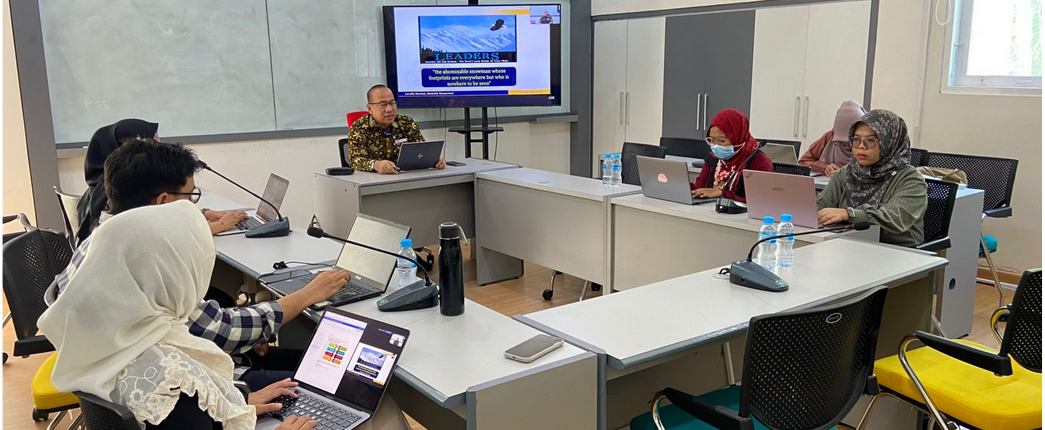
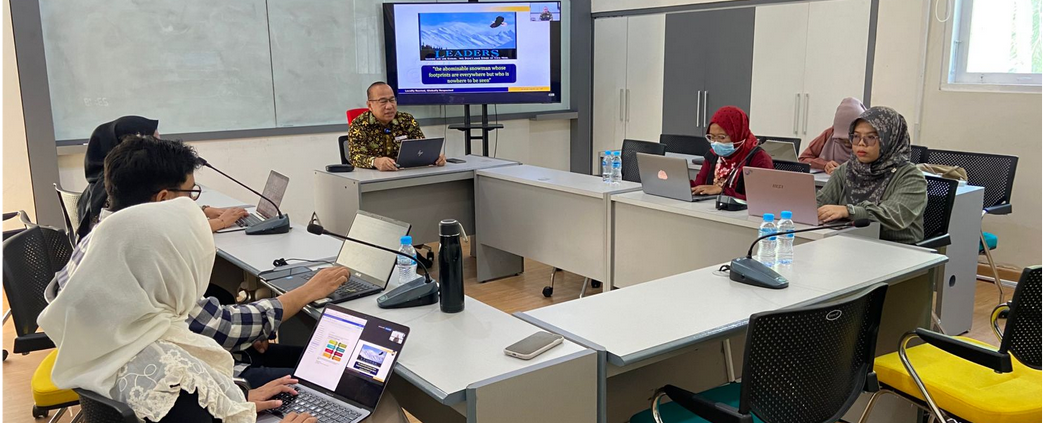
Selasa, 6 Januari 2026 — Departemen Health Policy and Management Fakultas Kedokteran, Kesehatan Masyarakat, dan Keperawatan Universitas Gadjah Mada (FK-KMK UGM) menyelenggarakan Seri Seminar Reformasi Sistem Kesehatan Sesi 10 sebagai bagian dari Modul 4: Kepemimpinan dalam Transformasi Kesehatan. Mengangkat tema “Kepemimpinan dalam Sistem Kesehatan yang Melakukan Transformasi”, sesi ini dilaksanakan secara hybrid, dengan peserta hadir di lingkungan FK-KMK UGM serta bergabung secara daring dari berbagai daerah, untuk membahas peran kepemimpinan dalam menghadapi kompleksitas reformasi sistem kesehatan nasional. Sesi ini menghadirkan Prof. dr. Laksono Trisnantoro, MSc, PhD dan Dr. dr. Andreasta Meliala, MKes, MAS, DPH., yang masing-masing mengulas kepemimpinan dari perspektif kebijakan dan praktik manajemen rumah sakit. Diskusi menekankan bahwa transformasi sistem kesehatan tidak cukup ditopang oleh perubahan regulasi dan struktur organisasi semata, tetapi sangat bergantung pada kemampuan para pemimpin—baik struktural, klinis, maupun informal—dalam menerjemahkan arah kebijakan menjadi praktik nyata di lapangan serta membangun kerja sama lintas peran dalam organisasi pelayanan kesehatan.
Pengantar : Kepemimpinan dalam Sistem Kesehatan yang melakukan transformasi — Prof. dr. Laksono Trisnantoro, M.Sc., Ph.D
Sesi 10 dibuka oleh Prof. Laksono dengan sebuah pengantar yang menempatkan kepemimpinan sebagai faktor penentu dalam perjalanan reformasi dan transformasi sistem kesehatan Indonesia. Memasuki tahun ketiga implementasi Undang-Undang Kesehatan Nomor 17 Tahun 2023, sektor kesehatan dihadapkan pada situasi yang kian kompleks. Tekanan pembiayaan yang semakin nyata, dinamika relasi antaraktor, serta tuntutan menjaga mutu dan keselamatan layanan muncul bersamaan di tengah perubahan kebijakan yang berlangsung cepat. Dalam paparannya, Prof. Laksono menekankan bahwa tidak setiap perubahan kebijakan dapat serta-merta disebut sebagai reformasi. Reformasi kesehatan, menurutnya, adalah proses perubahan yang disengaja dan berkelanjutan untuk meningkatkan efisiensi, pemerataan, dan efektivitas sistem kesehatan. Ia menggunakan metafora five control knobs untuk menggambarkan bahwa keberhasilan reformasi hanya dapat dicapai ketika berbagai aspek pengendali sistem dijalankan secara selaras. Perubahan yang bersifat parsial, tanpa kepemimpinan yang mampu menyatukan arah, justru berpotensi memunculkan konflik baru.
Lebih jauh, Prof. Laksono menyoroti masih kuatnya gesekan antar aktor dalam sistem kesehatan Indonesia, mulai dari regulator, operator layanan, penyandang dana, organisasi profesi, hingga institusi pendidikan. Dalam konteks ini, pemahaman terhadap governance sistem kesehatan menjadi krusial. Governance dipandang sebagai landasan untuk memetakan peran, fungsi, dan relasi kekuasaan para pemimpin di tingkat makro, organisasi, hingga layanan klinis. Tanpa kerangka governance yang kuat, implementasi UU Kesehatan berisiko berjalan tidak harmonis, menghadapi resistensi berkepanjangan, bahkan berujung pada konflik hukum yang menghambat tujuan reformasi itu sendiri.
Kepemimpinan di Rumah Sakit: Pemimpin Struktural, Pemimpin Klinis, & Pemimpin Informal — Dr. dr. Andreasta Meliala, MKes, MAS, DPH
Pada sesi ini Dr. Andreasta mengajak peserta menurunkan diskusi dari level kebijakan ke realitas sehari-hari di rumah sakit. Ia membuka paparannya dengan menekankan bahwa rumah sakit merupakan organisasi yang unik, bekerja di bawah tekanan regulasi dan pembiayaan, namun sekaligus dituntut menjaga mutu, keselamatan pasien, dan profesionalisme klinis. Dalam konteks inilah, kepemimpinan tidak pernah hadir dalam satu wajah tunggal. Dr. Andre memperkenalkan kerangka tiga tipe pemimpin yang secara bersamaan hidup dan berinteraksi dalam organisasi rumah sakit: pemimpin struktural, pemimpin klinis, dan pemimpin informal.
Pemimpin struktural, menurut dr. Andre, adalah sosok yang paling mudah dikenali karena memiliki legitimasi formal melalui jabatan. Mereka bertanggung jawab atas tata kelola organisasi, perencanaan strategis, pengelolaan sumber daya, serta memastikan kepatuhan terhadap berbagai regulasi dan standar akuntabilitas. Di sisi lain, pemimpin klinis memperoleh kewenangan bukan dari struktur organisasi, melainkan dari otoritas profesi dan rekam jejak keilmuan. Peran mereka sangat menentukan arah pengembangan layanan, keselamatan pasien, serta upaya perbaikan mutu klinis. Sementara itu, pemimpin informal kerap bekerja di luar struktur formal. Meski tidak selalu terlihat, pengaruh mereka hadir melalui kepercayaan, relasi sejawat, dan peer influence, yang sering kali menjadi motor perubahan praktik di tingkat layanan.
Dr. Andre menegaskan bahwa keberhasilan transformasi rumah sakit sangat bergantung pada kemampuan ketiga tipe kepemimpinan tersebut untuk bergerak dalam satu arah. Ketika pemimpin struktural, klinis, dan informal saling menguatkan, perubahan dapat berlangsung cepat dan berdampak luas. Sebaliknya, jika masing-masing berjalan dengan agenda sendiri, energi organisasi justru saling meniadakan. Ia juga menyoroti pentingnya menjaga keseimbangan antara pendekatan top-down dan bottom-up dalam organisasi rumah sakit yang sarat dengan profesional otonom. Visi dan arah strategis dari pimpinan puncak perlu diterjemahkan melalui dialog, negosiasi, dan keterlibatan para pemimpin klinis serta informal, agar transformasi tidak berhenti sebagai dokumen kebijakan, tetapi benar-benar hidup dalam praktik pelayanan sehari-hari.
Sesi Diskusi: Menyatukan Governance dan Praktik Kepemimpinan
Sesi diskusi menjadi ruang refleksi bersama yang memperlihatkan tantangan kepemimpinan secara lebih nyata dalam implementasi reformasi sistem kesehatan. Berbagai pertanyaan dan tanggapan dari peserta mengemuka seputar masih belum selarasnya pemahaman antaraktor dalam sistem kesehatan, khususnya terkait peran regulator, operator layanan, dan penyandang dana. Beberapa peserta menyoroti bahwa ketidaktegasan pembagian peran ini kerap memicu kebingungan di tingkat pelaksana, memperlambat pengambilan keputusan, dan pada akhirnya berdampak pada mutu layanan di lapangan. Dalam konteks rumah sakit dan layanan kesehatan, kondisi tersebut diperparah oleh kuatnya dinamika informal yang tidak selalu tercatat dalam struktur organisasi. Diskusi juga mengangkat risiko munculnya shadow norms, yakni norma-norma tidak tertulis yang berkembang ketika kepemimpinan informal tidak terkelola secara konstruktif. Norma semacam ini, meski sering lahir dari praktik sehari-hari, dapat berseberangan dengan kebijakan resmi dan tata kelola yang berlaku. Tanpa pengelolaan yang baik, pengaruh kepemimpinan informal justru berpotensi melemahkan upaya transformasi, terutama ketika perubahan kebijakan tidak diiringi komunikasi dan kepemimpinan yang kuat di tingkat organisasi.
Menanggapi berbagai pandangan tersebut, Prof. Laksono Trisnantoro kembali menegaskan bahwa governance tidak berhenti pada tataran konsep normatif atau regulasi tertulis. Governance, menurutnya, merupakan instrumen praktis untuk membangun kolaborasi lintas sektor, mengelola konflik kepentingan, dan menjaga keselamatan dalam sektor berisiko tinggi seperti kesehatan. Ia menekankan bahwa sistem kesehatan yang kompleks membutuhkan pemimpin yang mampu memahami batas peran masing-masing aktor sekaligus menjembatani perbedaan kepentingan melalui mekanisme tata kelola yang jelas dan konsisten. Diskusi kemudian mengarah pada pentingnya investasi jangka panjang dalam pengembangan kepemimpinan. Peserta menekankan bahwa pendidikan tenaga medis dan kesehatan perlu memberi ruang lebih besar bagi pembelajaran kepemimpinan dan governance, bukan semata keterampilan teknis klinis. Tanpa bekal tersebut, calon pemimpin klinis berisiko terjebak pada peran profesional semata, tanpa kapasitas untuk berkontribusi dalam pengambilan keputusan organisasi dan sistem. Sesi diskusi ini menutup rangkaian pembahasan dengan satu pesan kunci: reformasi sistem kesehatan hanya dapat berjalan berkelanjutan apabila governance dan praktik kepemimpinan tumbuh seiring, dari ruang kebijakan hingga lini pelayanan.
Sesi Penutup
Sesi ini menegaskan bahwa transformasi sistem kesehatan tidak dapat bertumpu pada regulasi semata. Kepemimpinan baik di tingkat sistem, organisasi, maupun klinis menjadi penentu utama dalam menjembatani arah kebijakan dengan praktik pelayanan di lapangan. Melalui pembahasan governance dan dinamika berbagai bentuk kepemimpinan, sesi ini menunjukkan bahwa keberhasilan reformasi sangat bergantung pada kemampuan para pemimpin untuk mengelola kompleksitas, membangun kolaborasi, dan menjaga mutu serta keselamatan layanan di tengah perubahan yang berlangsung cepat. Dalam kerangka Tujuan Pembangunan Berkelanjutan (Sustainable Development Goals/SDGs), diskusi pada Sesi ini berkontribusi langsung pada SDG 3 (Good Health and Well-being) melalui penguatan mutu dan keselamatan pelayanan kesehatan, SDG 4 (Quality Education) melalui penekanan pada pengembangan kepemimpinan dalam pendidikan tenaga kesehatan, serta SDG 17 (Partnerships for the Goals) melalui pentingnya tata kelola dan kolaborasi lintas aktor dalam sistem kesehatan. Dengan demikian, Seminar ini tidak hanya memperkaya diskursus akademik, tetapi juga mempertegas peran kepemimpinan sebagai fondasi strategis bagi reformasi sistem kesehatan yang inklusif, berkelanjutan, dan berorientasi pada kepentingan publik.
Reporter:

